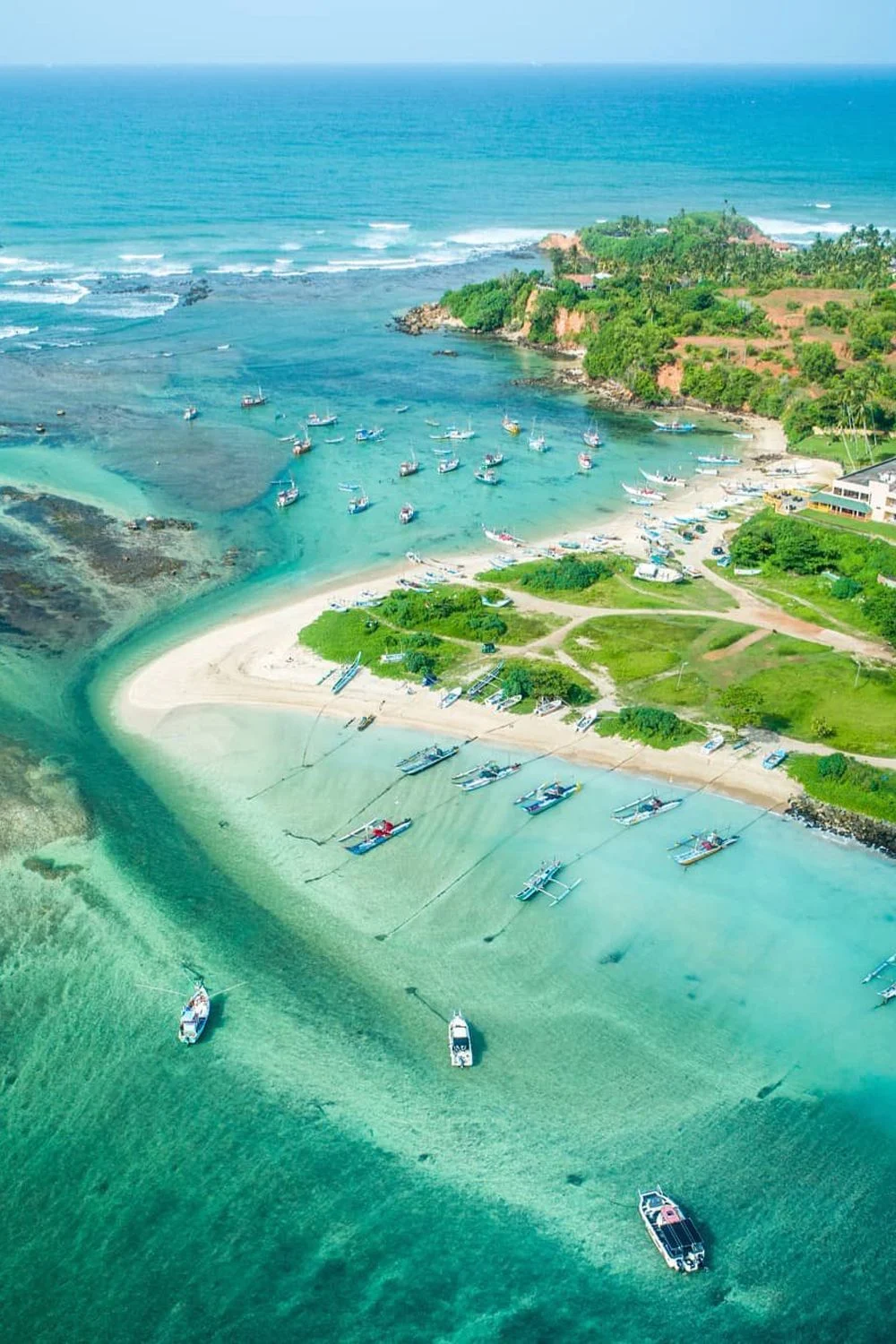
Updated 15 November 2026 for the 2026–27 season.
When is whale-watching season in Mirissa?
From about November to April. That is when the south coast’s sea is calm enough for small boats, and when blue whales feed off the deep water south of Mirissa. Many skippers say the best months are January to March. Some sources say December to March. Outside the season, from May to October, the south-west monsoon brings big waves and most boats stop.
| Months | Mirissa (south) | Trincomalee (east) | Kalpitiya (west) |
|---|---|---|---|
| November | Season starting | Off | Dolphins, season starting |
| December to March | Best months | Off | Dolphins |
| April | Season ending | Some boats start | Dolphins, season ending |
| May to October | Off (rough sea) | Season (often given as May to October, best June to August) | Off |
What can I see?
- Blue whales. The largest animal that has ever lived, and the one most boats come for. One can be longer than a bus. Off southern Sri Lanka, scientists found blue whales in almost every sighting of a large baleen whale.
- Spinner dolphins. Often in big, fast groups that leap and spin beside the boat.
- Sperm whales. Seen regularly, sometimes in small groups. Watch for the angled blow and the tail as they dive.
- Others, now and then. Bottlenose dolphins, and once in a while Bryde’s or Omura’s whales, flying fish and turtles.
Sightings are common in season, but they are never certain. Some days you see several whales. On others the sea is empty or too rough to go far.
Why are there whales off Mirissa?
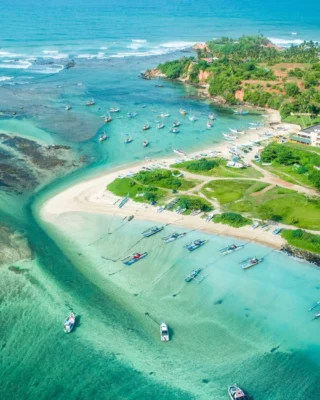
Because the deep sea comes close. Off the southern tip of Sri Lanka, past Dondra Head, the sea floor drops away steeply not far from land. Deep water close to land brings food, and the food brings the whales. That puts feeding whales within reach of a morning trip in a small boat.
How does a whale-watching trip work?
- Early start. Boats leave Mirissa harbour soon after dawn, when the sea is calmest. Many hotels can arrange a pickup.
- The ride out. The crew head out into deep water and scan for blows. It can take an hour or more to find whales.
- Time at sea. Most trips spend about 3–5 hours on the water, longer if whales are far out.
- What’s included. It varies: often breakfast, water and life jackets. Ask before you book, and ask what happens if the trip is cut short or you see no whales. Policies differ from boat to boat.
Prices change with the season and the boat, so we don’t print them. Compare a few boats in Mirissa, and ask your guesthouse which crews it trusts.
How do I choose a responsible boat?
Sri Lanka has rules for whale watching. Boats must be registered with the Department of Wildlife Conservation, keep a minimum distance from the whales, and may not let passengers swim with them without special permission. Enforcement has been weak: in 2024 the Sunday Times reported illegal swim-with-whale trips at Mirissa, and many boats crowding the same animal. So ask questions before you pay.
- Is the boat registered for whale watching? A good operator will show you.
- Does the crew keep their distance, slow down near whales, and never chase, circle or cut in front of them?
- Do they leave when too many boats gather around one whale?
- Are there life jackets for everyone, including children’s sizes, and shade on deck?
- Turn down any offer to swim with whales. It is not allowed, and it stresses the animals.
If a crew chases a whale while you are on board, you can ask them to stop. Other passengers usually agree.
Will I get seasick?
Quite possibly. The swell on the open sea is long and rolling, even on a calm morning, and many people feel it. Take a seasickness tablet the night before and again in the morning, as the packet says. Eat a light breakfast. Sit low and in the middle of the boat, look at the horizon, and stay out of the engine fumes. Bring sunscreen, a hat, a light jacket for the ride out, and a bag for your phone in case of spray.
Can children go whale watching?
Many boats take children, but a long morning on a rolling boat is hard for small ones. Ask about child life jackets and shade, and think about whether your children cope with motion. Our Sri Lanka with kids guide has gentler ideas for the south coast.
Mirissa, Trincomalee or Kalpitiya?
Pick by month. From about November to April, go from Mirissa. In the middle of the year, go from Trincomalee on the east coast, where boats leave from near Uppuveli and Nilaveli and a deep sea canyon lies close to shore. For dolphins rather than whales, Kalpitiya on the west coast has boats from about November to April, when the sea allows.
What else is near Mirissa?
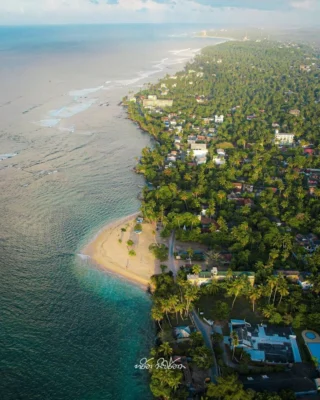
- Coconut Tree Hill, a palm-covered headland above the sea. Go at sunrise, before the crowds.
- Weligama, a wide bay next door, good for a first surf lesson.
- Polhena, near Matara, with a reef-sheltered lagoon for calm swims.
- Hiriketiya, a small horseshoe bay further east.
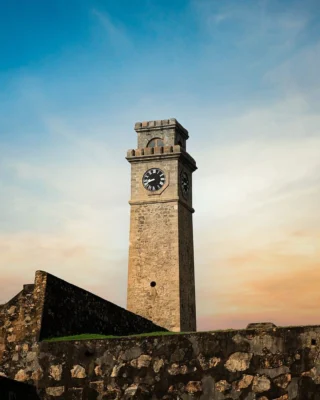
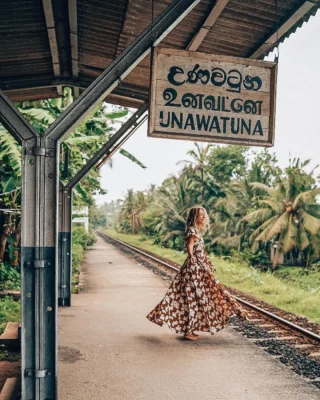
- Galle Fort and Unawatuna, about an hour west by road.
Our south coast route gives you a whale morning without rushing, and the 7-day itinerary fits it into a first trip. For the weather on each coast, see January, February or Sri Lanka month by month. In SriLor, our free app, you can listen to the stories of the south coast on the ride out.
Questions people ask
Is whale watching in Mirissa worth it?
For many people, yes: few places let you see blue whales so close to shore. It is a long, early morning at sea and can be rough. If you get very seasick, or travel between May and October, think again.
Which month is best for blue whales in Mirissa?
Many skippers say January to March. The season runs from about November to April, depending on the sea.
How long is a whale-watching trip from Mirissa?
Boats leave soon after dawn and usually spend about 3–5 hours at sea. With a hotel pickup, plan on most of the morning.
Is whale watching in Mirissa ethical?
It can be. Sri Lanka’s rules require registered boats, a minimum distance and no swimming with whales, but some crews break them. Pick a boat that keeps its distance and doesn’t chase, and say no to swim offers.
What if we don’t see any whales?
It happens. Some boats offer another trip if you see nothing, but not all. Ask before you book and get the answer in writing, for example in a message.
Can you see whales in Sri Lanka in July?
Yes, from Trincomalee on the east coast, where the season is usually given as about May to October. Boats from Mirissa mostly stop in the south-west monsoon.
Sources
- Sankalpa, Thilakarathne and Lin (2021), Integrative Zoology: whale and dolphin sightings off southern Sri Lanka
- Sunday Times (Sri Lanka), 16 September 2012: guidelines for whale and dolphin watching
- Sunday Times (Sri Lanka), 19 May 2024: illegal activity at Mirissa and the blue whales
- Rough Guides and rove.me: whale-watching seasons in Sri Lanka
- SriLor app: Mirissa, Trincomalee and Kalpitiya place information